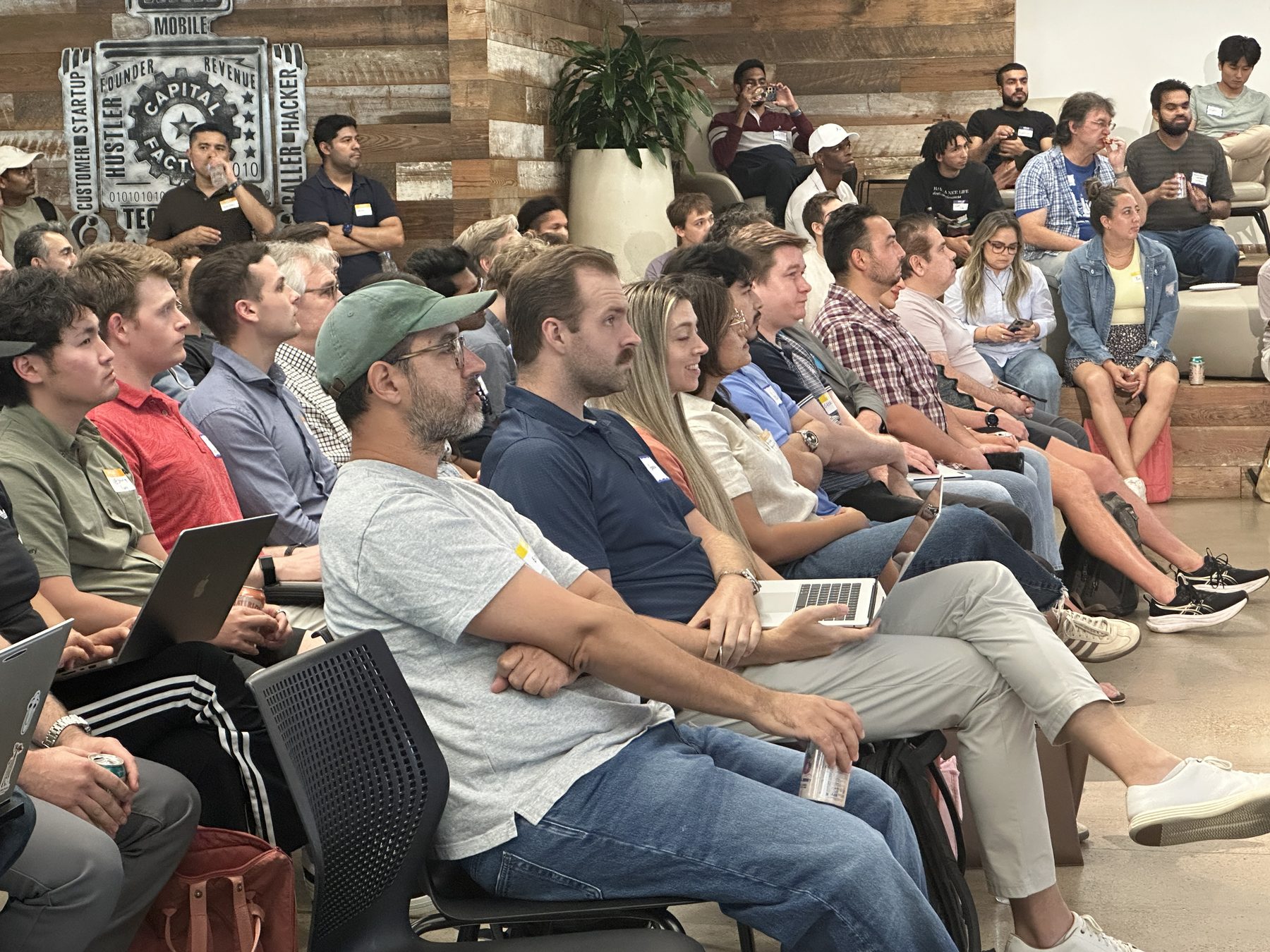
A month apart, the same room. The first was Joshua Baer’s last talk. The second, the community carrying it forward.
Once a month, a couple hundred of Austin’s builders give up a Monday night and crowd into one room at Capital Factory to talk about a single thing: getting real work out of Claude.
Not keynote theater — practitioners showing each other what actually works. Students next to founders, chairs running out, people along the walls. Two of those Mondays, a month apart, are worth keeping side by side. The June meetup turned out to be Joshua Baer’s final talk. The July meetup was the first without him — and the room came out to honor him and keep building. This is a review of both.
Standing room only. Two hundred strong, leaning in.
When the chairs ran out, people stood. The Claude Code Community Meetup filled Station Austin wall to wall — a genuine cross-section of the city’s builders, students to founders, all there for the same practical question: how do you make these tools a real asset in everyday work?
Joshua Baer took the stage under the Capital Factory gear and did the thing that makes a demo land: he ran it live, with real stakes. He scored a real website on stage with the Agents First MCP — the framework for making a site legible and useful to AI agents — and the room watched the number come back a humbling 40 out of 100. No slide could have made the point better. Agents First went from an abstraction to a scoreboard everyone in the room suddenly wanted to beat.
The other moment people carried home was yeehaw.bot: an MCP server published one night and found by roughly ten thousand crawlers by the next morning. It was the concrete version of the whole thesis — build for agents, and the agents show up. Fast.
The night was captured on video — a 37-minute film and eleven clips from the floor — and preserved as a tribute, because the value of a room like that shouldn’t stay in Austin. Shortly after this talk, Joshua Baer tragically lost his life. That footage is now the last of him on that stage.
“I don’t want to start on a down note, but I’d feel remiss if I didn’t bring this up.”
Damon, who hosts the meetup and MC’d the night, opened by honoring Josh — “literally the reason we’re all here,” one of the most significant contributors to the Austin tech scene — and asked the room to keep the spirits high and keep building. Then he did exactly that, handing the mic to three builders. Station Austin got its shout-out as the venue and the community’s center of gravity, and the format was the same as ever: real demos, real Q&A, be kind to whoever’s brave enough to get on stage.
A fresh UT Austin grad (May ’26) now full-time on a tool that answers a question every engineering manager is quietly asking: we pay for AI coding — are we actually good at it? Promptster does passive, on-device-redacted capture of Claude Code sessions and grades a team on four axes — direction, verification, context, leverage — turning “who are our best AI engineers” from a hunch into a rubric. Built with Claude Code, for Claude Code users; the cost/usage piece is free and open source. The framing that stuck: you can’t level up what you can’t measure.
The crowd favorite for sheer charm — an app that began as a way to track which trails he’d taken his dog Max to, and grew into a full activity, photo, and favorite-places tracker with a map at its heart. The real lesson was his loop: he logs feedback from inside the app on his phone, which files a GitHub issue with the screenshot and context attached; later, at his computer, Claude Code works the issues and a skill ships it to the App Store — usually live the next day. Roughly 70% of his development happens from the phone, before he ever opens an editor.
A working tour of “SaaS replacement” — going into companies and rebuilding their software stack as owned internal tools — with every utility given away to grab: model-routing orchestrators (route the boring bulk work to a cheaper model, keep the frontier model for the hard part), a company operating-manual-as-a-repo that updates itself from recorded offsites, and a Slack-as-agent-interface. Plus the side projects he insists everyone should keep for fun, including a real-time relationship-conflict tracker he built with his wife Victoria. His throughline: everyone should have a purely-for-fun side project running at all times.
The surprise of the night: five people from the Claude team came out to field questions. Because they’d asked that the session not be recorded, this review keeps its promise — no quotes, no attribution, just who was in the room and the shape of what they covered.
The threads that ran through their answers: how a frontier lab thinks about safety and staged model releases — capabilities held back from all but a small set of trusted actors until safeguards are ready; treating skills as a memory layer, and reviewing auto-generated documentation rather than trusting it blindly; the shift from juggling twenty terminal sessions toward longer-running agents that notify you when they need a decision; and, above all, the honest admission that the best tool changes with every model — even the people building these systems are re-learning their own workflows every few weeks. The standing advice: use the tools constantly, and experiment as each model ships.
The sharpest audience question of the panel came from WholeTech. Its founder stood up, introduced wholetech.com and its network of some two hundred live Austin sites to the group, and put a genuinely novel one to the Claude team: is there — or could there be — a standardized test for Claude Code proficiency? Something like an SAT for coders: 800 questions, you answer them, you get a score that says how good you actually are at working with the model.
The team’s honest take: no such certification exists today, and it’s a hard thing to build well — but the instinct is a good one. As software engineering shifts, the ability to work with AI is becoming more important than the ability to code without it, and a fair way to measure that skill is exactly the kind of thing the field still needs. It was a WholeTech idea that landed with the people best positioned to build it — and a neat echo of Promptster earlier in the night, which grades that same fluency for teams.
Update — the question became a product. Within days, WholeTech built exactly what it asked the panel for: PACE — the Practical Agentic Coding Exam. A 420-question bank, randomized 40-question sittings, a 200–800 SAT-style score, and tamper-proof verifiable certificates. Sit the beta exam →
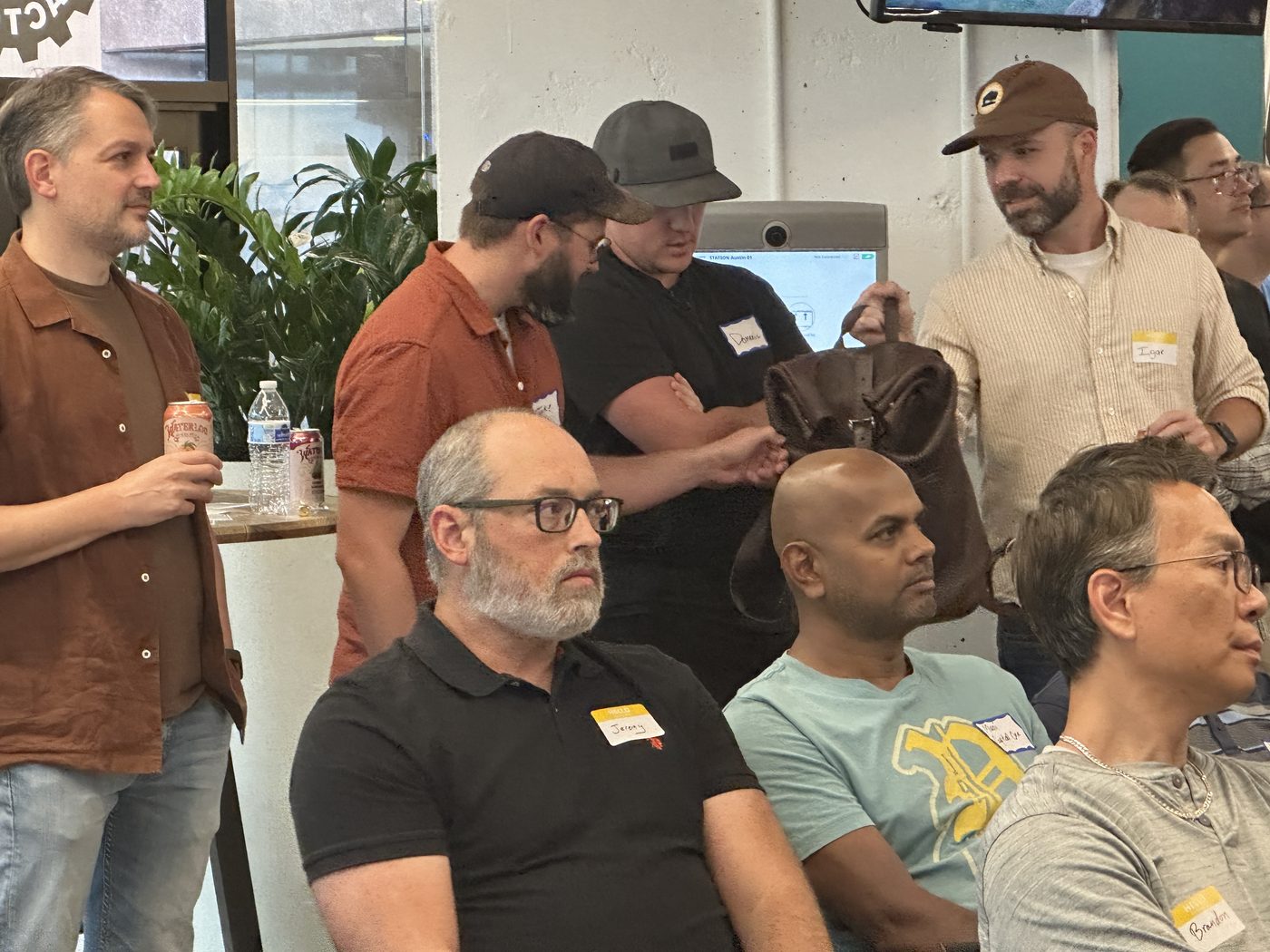
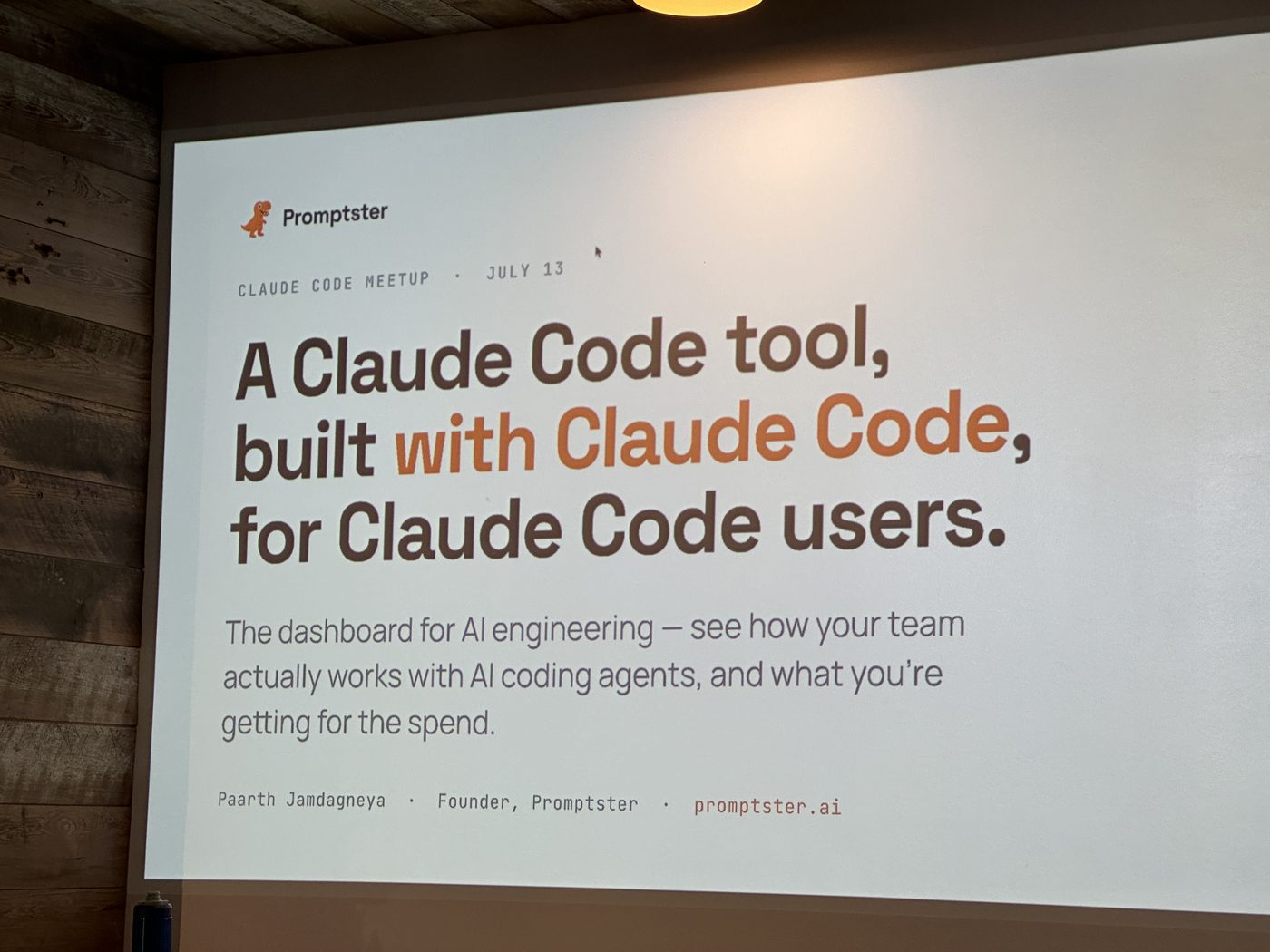
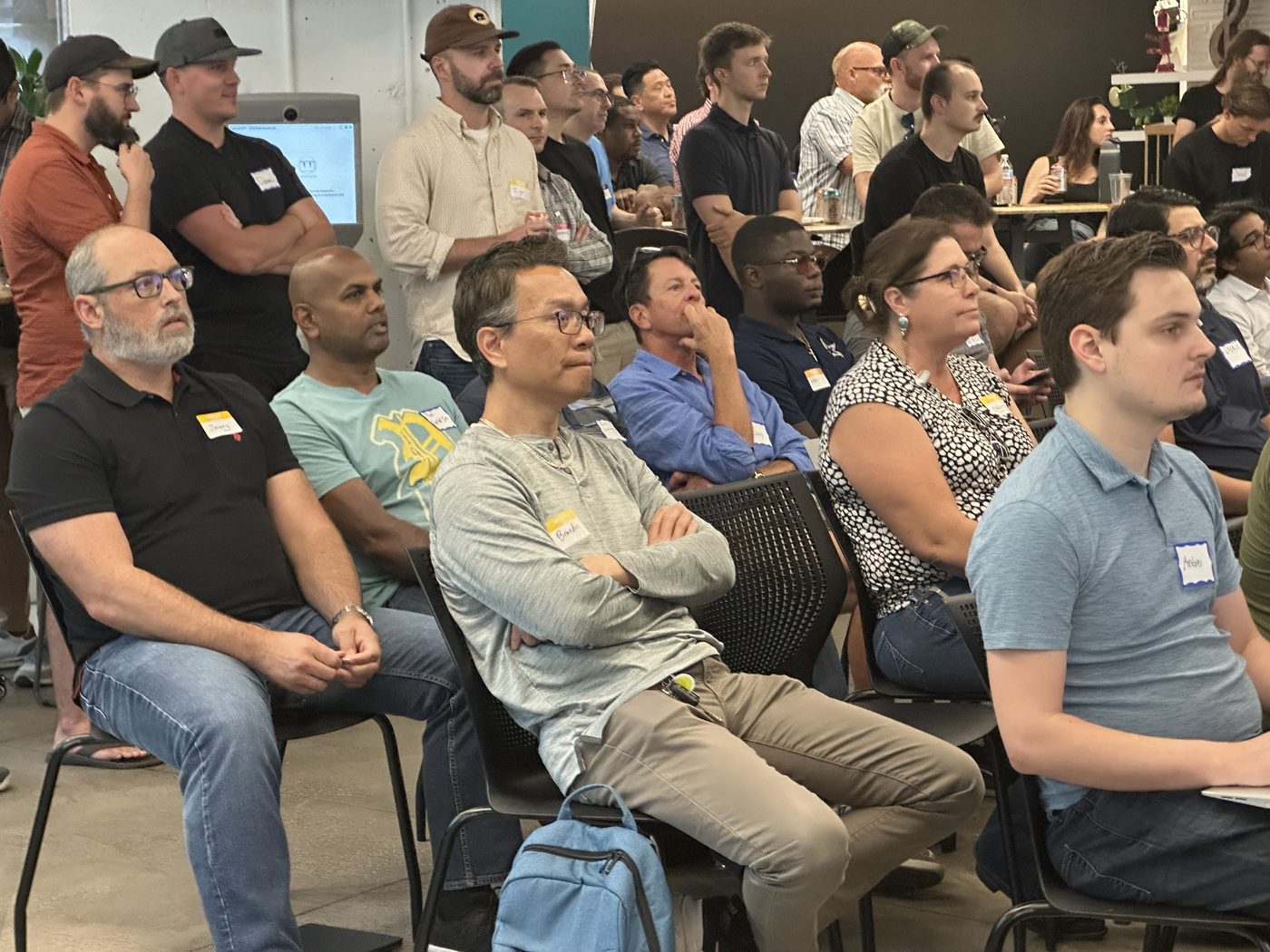
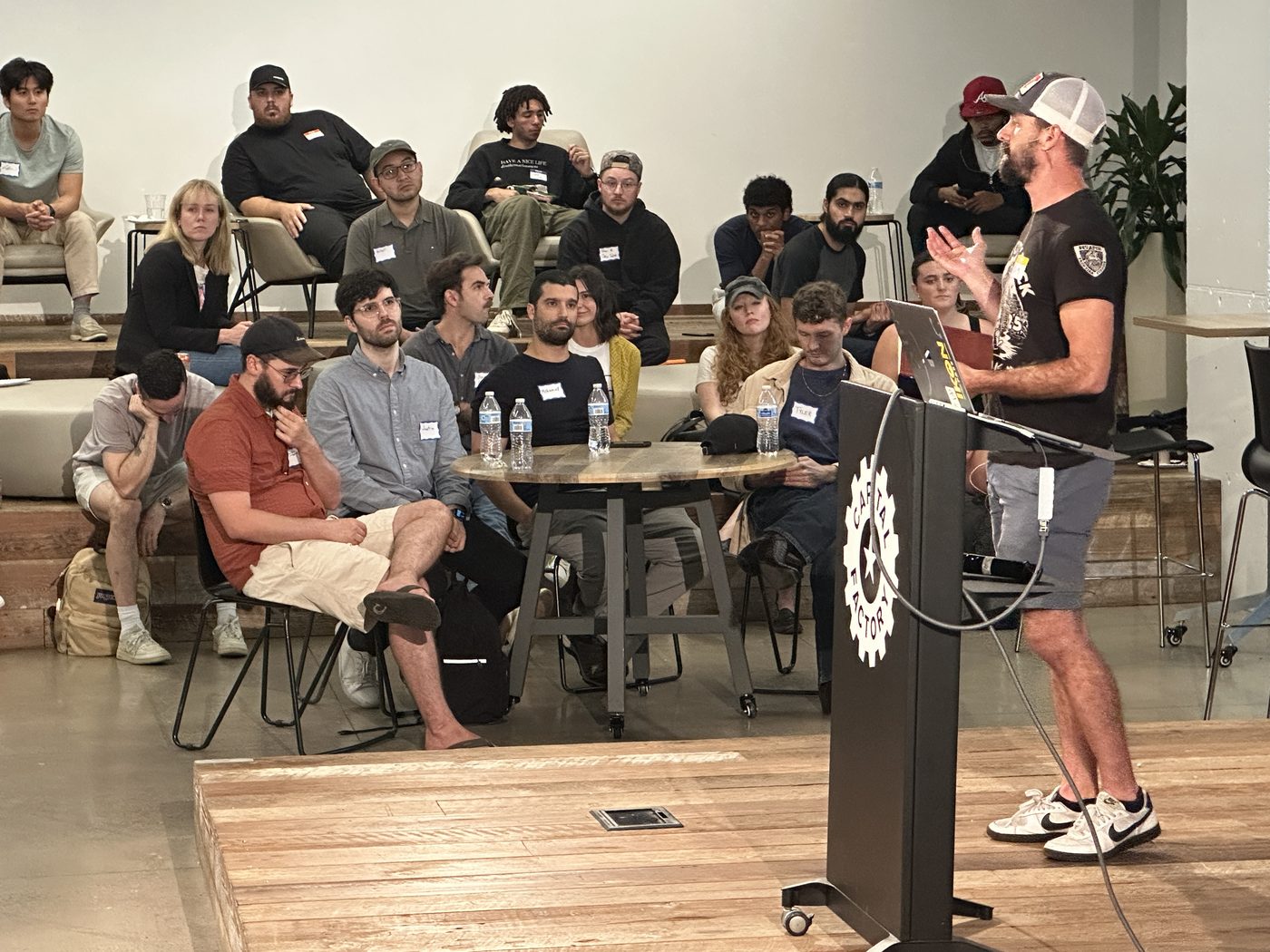
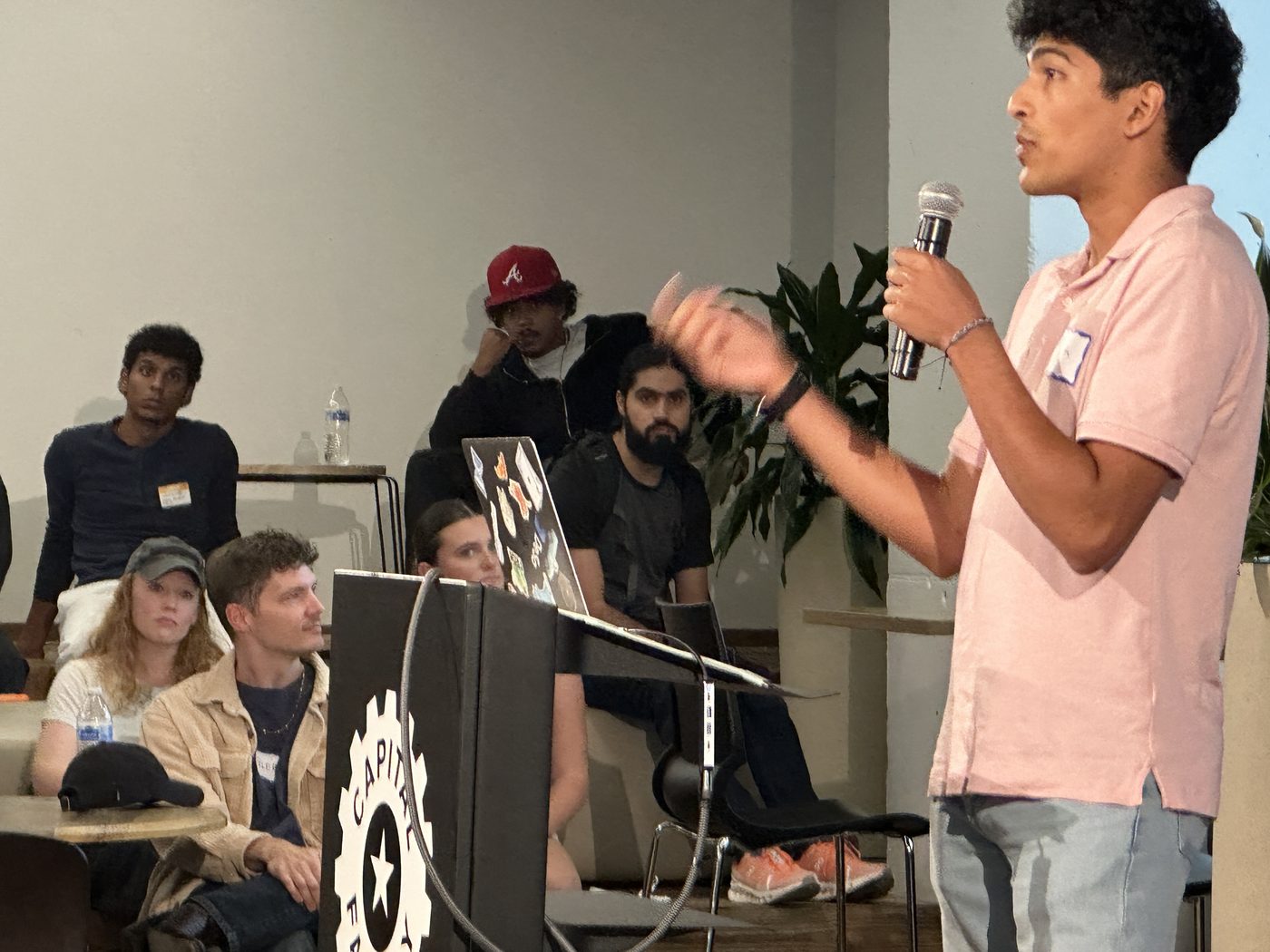
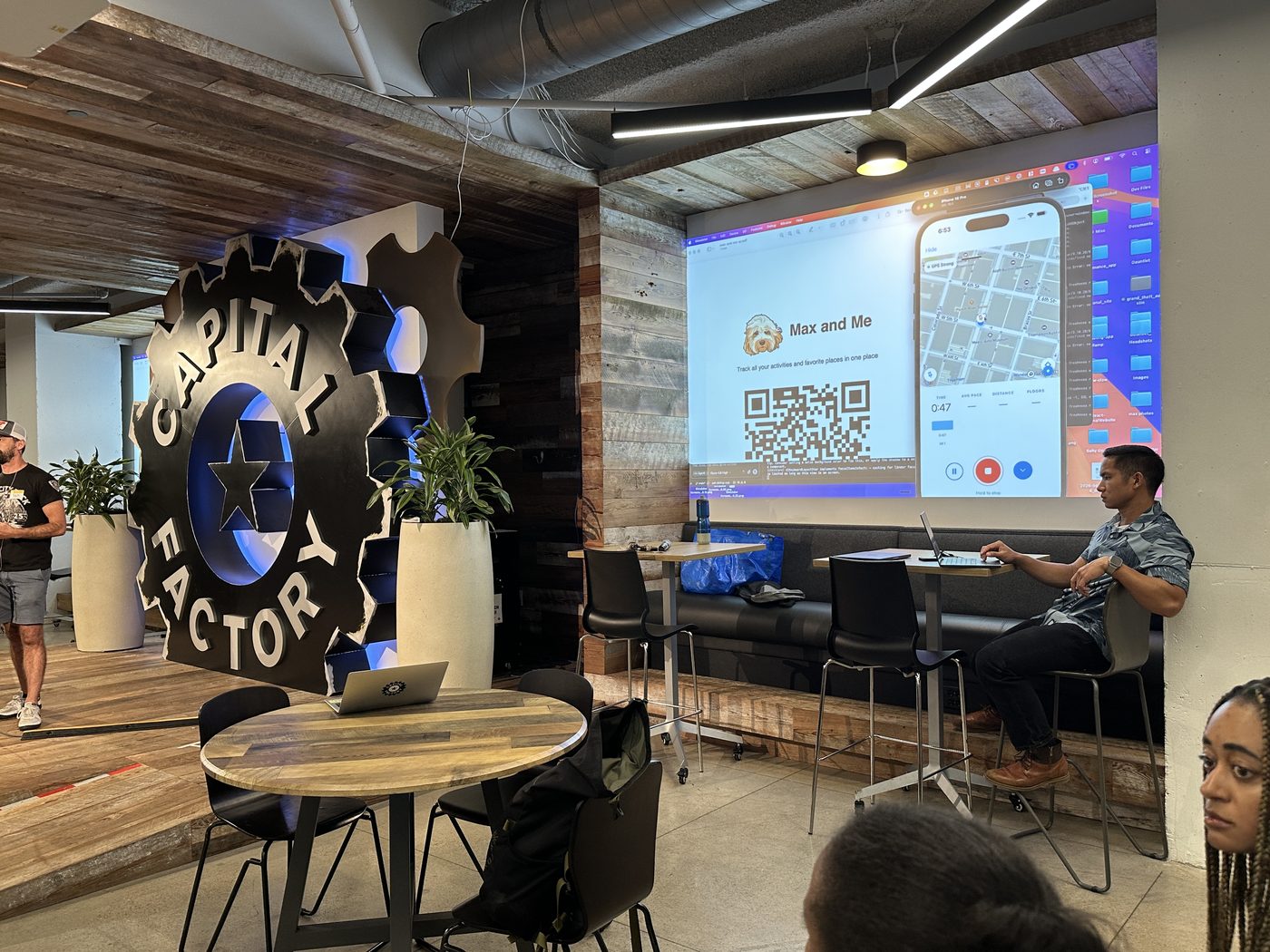
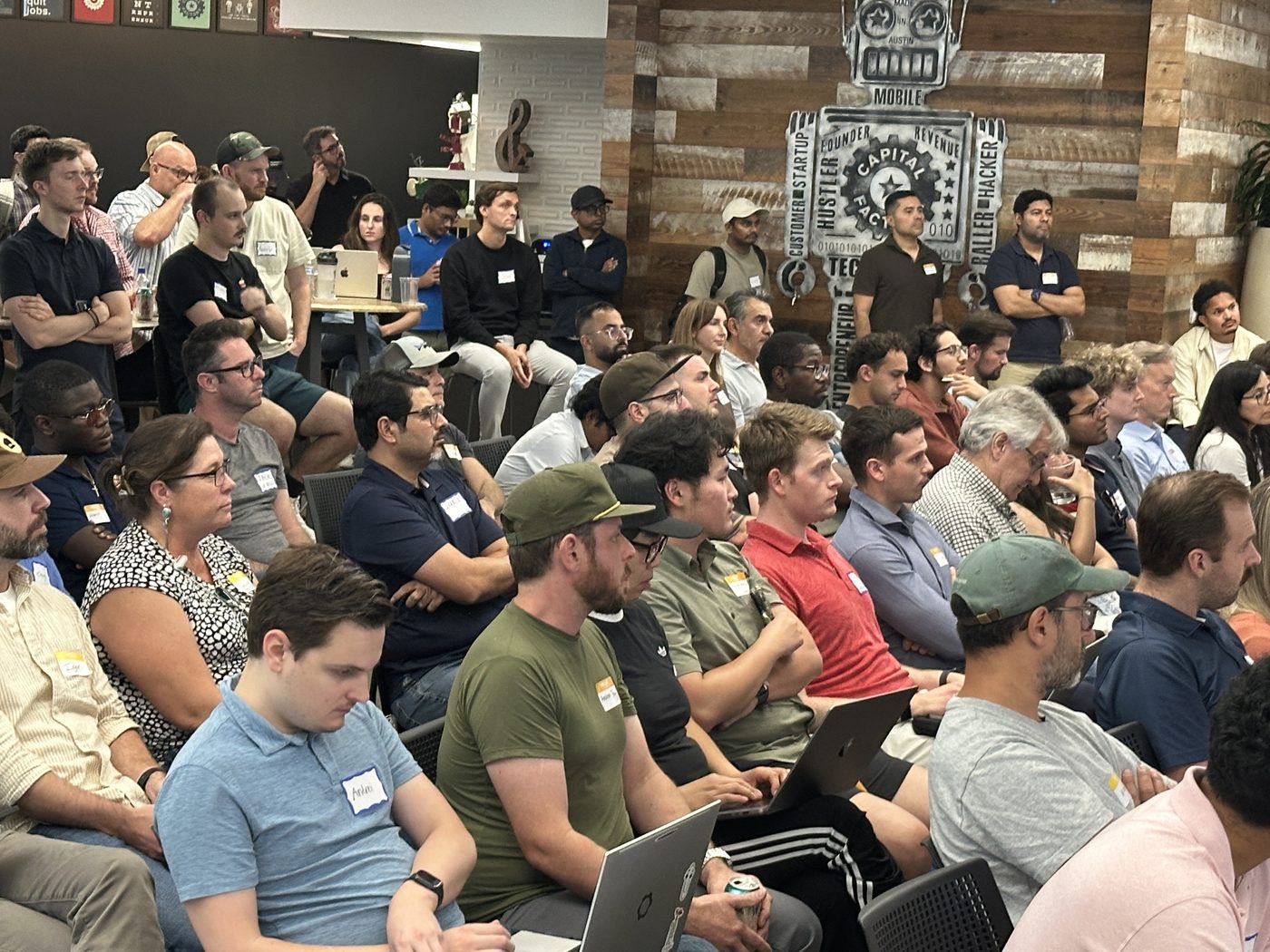
37 photos from the night; a selection shown here. Photos by WholeTech.
What ties the two nights together isn’t just a venue. June’s live demo put a number on a philosophy — build for agents, measure it, beat the score — and July was that philosophy, distributed: a tool that scores how well teams use their agents, an app whose author lets agents run 70% of his pipeline, a services shop that hands agents whole software stacks. Josh Baer’s Agents First idea didn’t need him in the room to keep working. That’s the best thing you can say about an idea.